


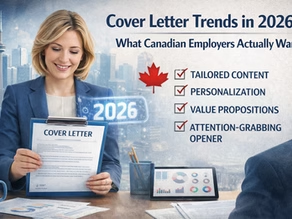
The answer is yes—absolutely. In 2026, cover letters remain a crucial part of the hiring process, but the expectations around them have evolved. Canadian employers are no longer impressed by generic templates or long, formal letters. They want concise, personalized, and value-driven communication that complements your resume.
If you’re applying for jobs in 2026, here are the latest cover letter trends Canadian employers want—and how you can use them to your advantage.
1. Shorter, More Concise Cover Letters
The days of lengthy, one-page cover letters are fading. Employers now prefer half-page letters or 150–200 words that get straight to the point. With hiring managers reviewing dozens of applications, your message needs to be clear, crisp, and impactful.
Trend Tip: Focus on three things—who you are, why you’re the right fit, and how you can add value. No long stories, no unnecessary fluff.
2. Personalized, Not Generic
Generic cover letters are one of the fastest ways to be ignored. In 2026, personalization is more important than ever. Employers want to feel that you genuinely understand the role and the company.
Trend Tip: Reference specific job requirements, the company’s mission, or recent achievements. Use keywords from the job posting to show alignment.
3. Value-Focused, Not Duty-Focused
Canadian employers no longer want you to repeat what’s already on your resume. Instead, they prefer cover letters that demonstrate how you will add value to their team.
For example: Instead of: “I have experience in customer service, “Say: “I improved customer satisfaction scores by 22% in my last role and would love to bring this expertise to your customer experience team.”
4. ATS-Friendly Cover Letters
Just like resumes, many companies now scan cover letters through ATS (Applicant Tracking Systems). This means your letter needs to include:
- Relevant keywords
- Clean formatting
- Simple paragraphs
- No graphics, tables, or images
Our cover letters are written by human experts and then pass through AI checks and ATS optimization tools to make sure they perform well in digital screenings.
5. More Conversational Tone, Less Formal Jargon
Cover letters in Canada are becoming more modern and conversational. Employers appreciate a friendly, confident tone instead of overly formal or robotic wording.
Trend Tip: Write like a professional human—not like a script. This helps employers connect with you more easily.
6. Highlighting Soft Skills and Cultural Fit
Canadian workplaces value communication, teamwork, and adaptability. Your cover letter is the perfect space to show cultural fit and personality—something your resume may not fully convey.
Trend Tip: Include a brief example of a time you solved a problem, led a project, or worked well in a diverse team.
7. Digital Enhancements: Links to Portfolios or Resume Websites
In 2026, more employers expect digital elements in cover letters—especially links to:
- Digital resume websites
- Online portfolios
- LinkedIn profiles
- Projects or case studies
Since we are the only resume writing company offering Digital Portfolio Websites, our clients can easily connect their cover letter to a professional online showcase.
Final Thoughts
The cover letter isn’t going away in 2026—it’s evolving. Canadian employers want shorter, more personalized, value-driven letters that complement your resume and strengthen your application. A well-written cover letter shows professionalism, communication skills, and genuine interest—qualities that Canadian hiring managers look for in every candidate.
Our team specializes in writing ATS-friendly cover letters, Canadian-format resumes, and digital portfolios. With human experts, AI validation, and ATS optimization, we ensure your application stands out in every stage of the hiring process.