


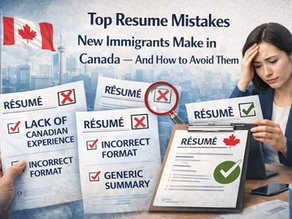
Here are the top resume mistakes new immigrants make in Canada—and how you can avoid them to increase your interview chances.
1. Using an International Resume Format
One of the biggest barriers for newcomers is sending resumes that follow formats from their home country. Some formats overuse personal details, photos, or lengthy sections that Canadian employers don’t expect. In Canada, resumes must be concise, achievement-focused, and strictly professional.
How to avoid this: Switch to a clean, North American-style format with clear sections such as Profile Summary, Skills, Work Experience, Education, and Certifications. Avoid photos, personal information, marital status, or age.
2. Listing Responsibilities Instead of Achievements
Many newcomers focus on what they did instead of what they achieved. Canadian employers want to see measurable results and impact—not generic job duties.
Example: Instead of saying: “Handled customer complaints, “Say: “Resolved 95% of customer complaints on the first call, improving satisfaction scores.”
How to avoid this: Use numbers, percentages, and metrics wherever possible. Highlight accomplishments that show value, leadership, or improvements you created.
3. Overly Long Resumes
It’s common in some countries to use resumes that are 3–5 pages long. In Canada, employers prefer short, focused documents—typically 1-2 pages for entry-level candidates and 2-3 pages for experienced professionals.
How to avoid this: Remove outdated roles, irrelevant experience, and repetitive content. Prioritize the last 10–12 years of your career and highlight the most relevant positions.
4. Not Optimizing for ATS (Applicant Tracking Systems)
Most Canadian companies use ATS software to scan resumes before a human ever sees them. If your resume isn’t ATS-optimized, it may never reach the hiring manager—even if you’re perfectly qualified.
How to avoid this: Use industry-specific keywords, avoid tables or graphics that ATS cannot read, and choose a clean layout. Professional resume writing services like ours combine human expertise, AI review, and ATS optimization systems to ensure your resume passes every stage.
5. Not Tailoring the Resume to Canadian Job Postings
Using one generic resume for every job application is one of the quickest ways to reduce your interview chances. Canadian employers expect customization.
How to avoid this: Match your skills and achievements to the keywords and requirements in the job posting. Tailoring improves both ATS rankings and recruiter interest.
6. Undervaluing International Experience
Many newcomers worry their international experience won’t be recognized in Canada. As a result, they downplay achievements or leave out strong roles.
How to avoid this: Highlight your global exposure as a strength. Emphasize transferable skills, international leadership, bilingual abilities, and cross-cultural communication—qualities highly valued by Canadian employers.
7. Missing a Professional Summary
Newcomers often skip the Profile Summary section, but this is the first thing Canadian recruiters read.
How to avoid this: Write a 3–4 line summary showcasing your experience level, industry expertise, and top strengths. This immediately communicates your value.
Final Thoughts
A well-written Canadian-format resume can be the difference between silence and interview calls. If you’re a newcomer, it’s worth investing in a resume that is ATS-optimized, written by human experts, and aligned with Canadian hiring standards.
Our team specializes in helping new immigrants transition successfully into the Canadian job market—with professional resumes, cover letters, interview-ready email templates, and even digital portfolio websites to help you stand out.